
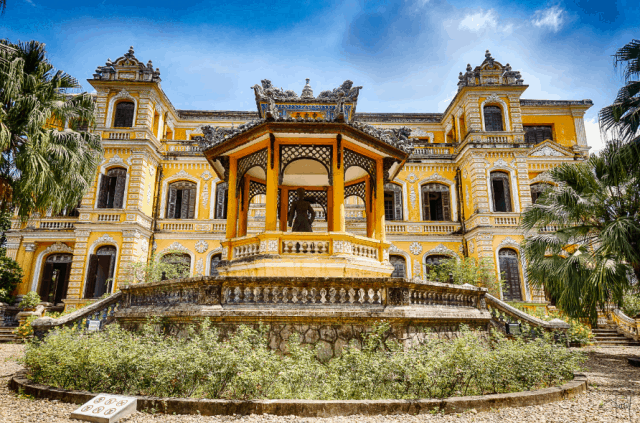
An Dinh palace Overview
An Dinh Palace is one of the most distinctive royal residences in Hue. Located along the peaceful An Cuu River, the palace stands out for its elegant architecture that blends traditional Vietnamese royal design with European influences from the early twentieth century.
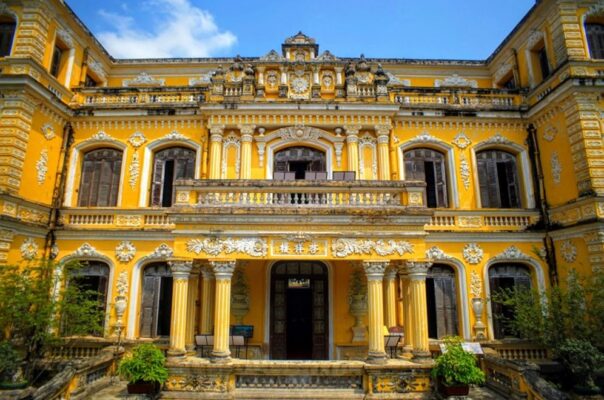
Unlike many royal buildings located inside the Hue Imperial Citadel, An Dinh Palace was built outside the imperial walls, offering a more private living space for members of the royal family. With its refined architecture, beautifully decorated interiors, and important historical significance, the palace has become a fascinating destination for visitors exploring Hue’s royal heritage.
An Dinh Palace Location
An Dinh Palace Hue or Cung An Dinh, lies on the bank of An Cuu Canal, at 179 Phan Dinh Phung Street, Hue City, Vietnam. The place where the Khai Dinh Emperor lived from childhood until becoming the twelfth Emperor of the Nguyen Dynasty was a private residence.
From the center of Hue, visitors can reach the palace in approximately 10 to 15 minutes by taxi, motorbike, or bicycle. The location is easy to find and can be conveniently combined with visits to other attractions in Hue.
You may be interested in our high-quality Hue Tours, such as the Hue City private tour, the Hue City group tour, Sunset on Tam Giang Lagoon, Hue Imperial City walking tour, and Hue cooking class tour.
After a lovely stay in Hue, you may need our Hue private car transfers to other nearby destinations such as
- Hue airport transfer– Hue airport to city center.- 300,000 VND/ Sedan car.
- Hue to Bach Ma National Park private car– 1,700,000 VND/ Sedan car.
- Hue to My Son Sanctuary private car– 1,950,000 VND/ Sedan car.
- Hue to Phong Nha private car– 2,200,000 VND/ Sedan car.
- Hue to Ba Na Hills private car– 2,100,000 VND/Sedan car.
History of An Dinh Palace
Early Construction Period
The An Dinh Palace was originally constructed in the early twentieth century when Khải Định was still the Crown Prince. At that time, it served as a modest residence where the prince could live and relax away from the formal environment of the imperial court.
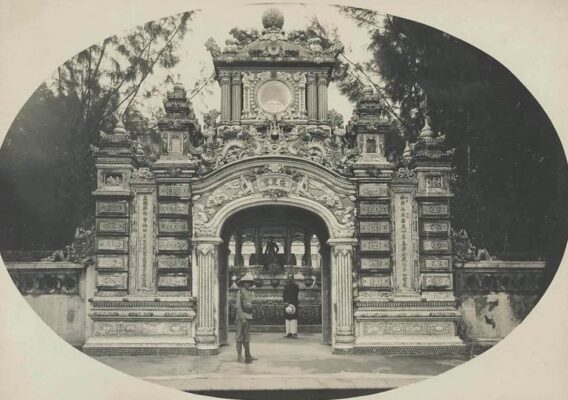
When Khai Dinh ascended the throne in 1916, he ordered a major renovation and expansion of the complex. The palace was rebuilt with larger structures and modern construction materials, reflecting a new architectural vision influenced by Western styles.
Expansion and Development
During the reconstruction period, many original structures were replaced with reinforced concrete buildings, which were considered modern and innovative at that time.
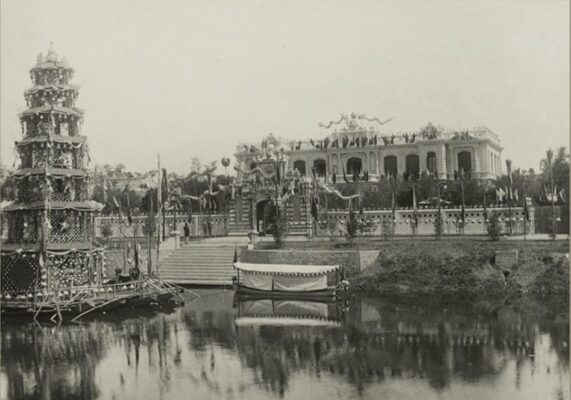
The palace’s architectural design began to reflect a combination of European neoclassical features and traditional Vietnamese royal decorative art. This fusion created a unique appearance that distinguished An Dinh Palace from other structures of the Nguyen Dynasty.
After the Nguyen Dynasty
After the death of Emperor Khải Định in 1925, An Dinh Palace became the residence of the family of Bảo Đại, the last emperor of Vietnam. From 1945 to 1947, after Emperor Bao Dai abdicated the throne following the August Revolution, he and his family lived at An Dinh Palace for a period of time. During these years, Nam Phương and the royal children also resided here.
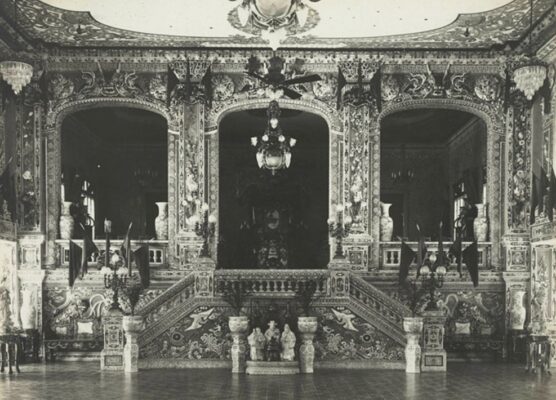
Because of this, An Dinh Palace preserves not only remarkable architectural value but also important memories of the Vietnamese royal family during the final chapter of the Nguyen Dynasty.
Unique Architecture of An Dinh Palace
A Fusion of Eastern and Western Architecture
One of the most remarkable aspects of An Dinh Palace is the harmonious blend of Eastern and Western architectural styles. While the overall layout still reflects the traditional structure of Vietnamese royal residences, elements such as balconies, windows, columns, and decorative motifs show strong European influences. This architectural combination illustrates the cultural transition of Vietnam in the early twentieth century.
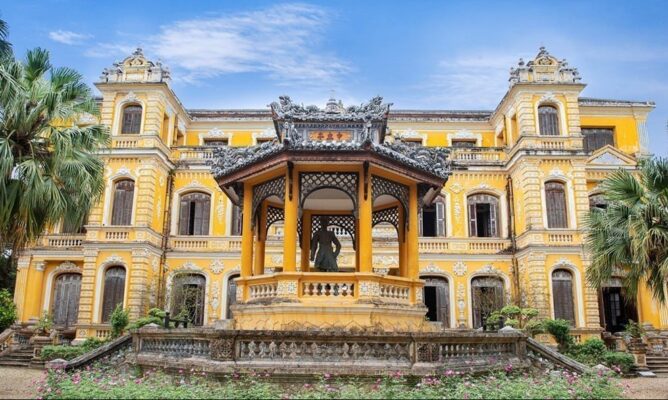
The total area is about 23.463 square meters. There are 10 structures in total: The Dragon Boat Station, the Main Entrance, Trung Lap Bower, Khai Tuong Pavilion, the Cuu Tu Dai Theatre, Animal Cages, and the Lake.
The Main Gate and Palace Grounds
The main gate was constructed with three entrances, two-tiered roofs, and traditional brick-and-mortar architecture. Both the front and rear sides of the gate are beautifully decorated with symmetrical mosaic artworks, showcasing the refined decorative style of royal architecture in Hue.

Beyond the gate lies a spacious courtyard that leads visitors toward the central buildings of the palace. The surrounding grounds are arranged with open spaces and greenery, creating a peaceful atmosphere that contrasts with the grandeur of the architecture.
Trung Lap Bower
Following an octagonal architectural design, the pavilion reflects the elegant and balanced layout commonly seen in royal garden structures. Inside the bower stands a life-size bronze statue of Khải Định.

The statue was cast to the exact proportions of a real person, portraying the emperor seated in a dignified posture that reflects the authority and ceremonial presence of the Nguyen royal court.
Khai Tuong Pavilion– The Heart of the Palace
Named by Emperor Khải Định, Khai Tuong Pavilion is the main and most important structure within An Dinh Palace. This impressive three-story building was constructed in a European palace style using modern materials of the early twentieth century and covers an area of about 745 square meters.
One of the most remarkable features of the pavilion can be found on the first floor, where visitors can admire a series of large mural paintings. These artworks are particularly significant because they represent early Western-style paintings created in Vietnam during the first decades of the twentieth century, depicting landscapes and scenes inspired by imperial life.

The interior decoration is lavish and sophisticated, with elaborate ornamental motifs, delicate reliefs, and floral patterns that enhance the elegance of the rooms. The second floor once served as the living quarters for members of the royal family, while the top floor was used as a sacred space for worship.
Overall, Khai Tuong Pavilion represents the pinnacle of decorative art at An Dinh Palace, showcasing a harmonious blend of Eastern and Western architectural styles that reflects the unique cultural influences of the Nguyen royal court during that period.
Interior Decorative Art
The interior of An Dinh Palace is particularly impressive for its elaborate decoration. Walls are adorned with detailed murals, relief sculptures, and decorative patterns.
Ceilings, columns, and balconies feature intricate carvings and artistic ornamentation crafted by skilled Hue artisans. Many decorative elements include gold accents and vibrant colors, creating a luxurious, royal atmosphere.
Historical and Cultural Significance
An Dinh Palace forms part of the broader heritage system of the Complex of Hue Monuments. The palace represents an important transitional period in Vietnamese history, when traditional culture began interacting with Western influences.
Beyond its historical importance, the palace also reflects the evolution of royal architecture and decorative arts in Hue. It has therefore become a valuable site for historians, architects, and visitors interested in Vietnamese cultural heritage.
If you learn about the history of An Dinh Palace, you will discover that this residence was closely associated with several members of the Nguyen royal family during the final years of the dynasty, including Khải Định, Bảo Đại, and especially Nam Phương.
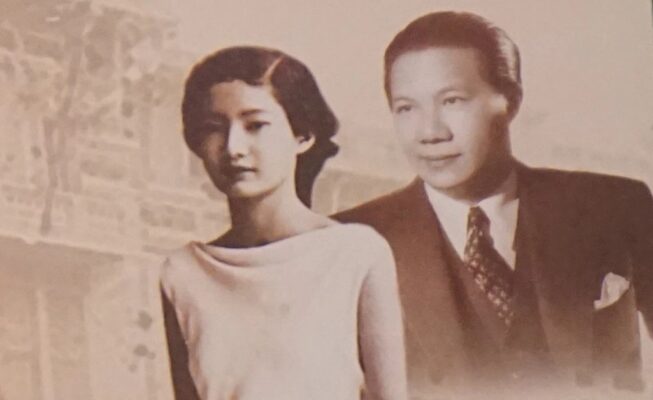
Queen Nam Phuong’s birth name was Nguyễn Hữu Thị Lan. She was widely admired in An Nam for her graceful beauty and her rare kindness and compassion. After marrying Emperor Bao Dai, she became the queen consort of Vietnam.
However, her marriage was not without difficulties, as the emperor maintained several other relationships. Despite these challenges, she chose to remain dignified and devoted herself to raising and caring for her children within the royal household.
In 1947, she left Vietnam with her children and settled in France, where she spent the rest of her life and eventually passed away far from her homeland.
An Dinh Palace in Film and Popular Culture
Thanks to its elegant architecture and nostalgic royal atmosphere, An Dinh Palace has been chosen as a filming location for several well-known films and television productions. The palace’s grand staircases, long corridors, and richly decorated halls create an ideal setting for cinematic scenes that depict royal life, aristocratic lifestyles, and historical stories.
One of the most notable productions filmed here is the Vietnamese movie Gái Già Lắm Chiêu V: Những Cuộc Đời Vương Giả. In this film, An Dinh Palace served as the luxurious residence of the fictional Lý family, with its ornate interiors and classical architecture perfectly reflecting the film’s theme of aristocratic elegance.
The palace has also attracted international filmmakers. Parts of the historical drama The Quiet American, based on the novel by Graham Greene, were filmed in Hue, where locations such as An Dinh Palace provided an authentic colonial-era atmosphere.
Because of its distinctive blend of Eastern and Western architecture and its well-preserved royal interiors, An Dinh Palace continues to be a favorite backdrop for filmmakers, photographers, and cultural productions that wish to capture the timeless beauty of Hue’s imperial heritage.
Useful travel tips
An Dinh Palace Opening Hours
An Dinh Palace is generally open to visitors during the daytime (from 7 am to 5 pm), similar to other monuments within the heritage system of Hue.
An Dinh Palace Entrance Tickets
The entrance fee to visit An Dinh Palace is relatively affordable compared with other royal monuments in Hue.
- Adults: about 50,000 VND per person
- Children (under 12 years old): Free of charge
https://culturephamtravel.com/hue-entrance-fee/
Children are generally granted free entry according to the ticket policy applied to several smaller monuments managed by the Hue Monuments Conservation Center.
Visitors can also purchase combo tickets that include multiple attractions. For example, a combined ticket for the Hue Museum of Royal Antiquities and An Dinh Palace costs around 80,000 VND for adults, while children can enter for free.
These ticket options make An Dinh Palace an easy and budget-friendly stop when exploring the historical heritage sites of Hue.
Best Time to Visit
The best time to visit An Dinh Palace is in the early morning or late afternoon when the weather is cooler, and the lighting is ideal for photography. Spring and autumn are also excellent seasons to visit Hue, as the weather is generally pleasant and the scenery is especially beautiful.
How to visit Cung An Dinh Hue?
There are many ways to go to An Dinh Palace, including taking a grab bike, catching a cyclo, or walking. To explore historical sites in Hue, you should book the Hue City Tour at Culture Pham Travel.
You can also get more information about Hue Tours and beautiful landscapes, such as the Royal Tombs and Hue Imperial Citadel…on our website.
Visitor Guidelines
When visiting An Dinh Palace, guests should follow several important guidelines:
- Follow instructions from the site staff
- Respect and preserve the historical site
- Avoid touching fragile artifacts and decorations
- Dress appropriately when visiting the monument
Nearby Attractions
Hue Imperial Citadel
Hue Imperial Citadel is the most important historical complex in Huế and served as the political, cultural, and administrative center of the Nguyễn Dynasty for more than 140 years. Built in 1805 under the reign of Gia Long, the citadel was designed according to traditional Vietnamese principles combined with elements of Vauban-style military architecture.
Inside the vast complex are impressive royal structures such as palaces, temples, gates, and courtyards that once housed the emperor, royal family, and the imperial court. Today, the Imperial Citadel is part of the Complex of Hue Monuments and remains one of the most fascinating destinations for visitors who want to explore Vietnam’s imperial history.
Thien Mu Pagoda
Tomb of Khai Dinh
Khai Dinh Tomb is one of the most unique royal tombs of the Nguyen Dynasty, located on Chau Chu Mountain about 10 kilometers from the center of Hue. Built between 1920 and 1931 for Emperor Khải Định, the tomb reflects a striking blend of traditional Vietnamese design and European architectural influences.
The interior of the tomb is famous for its elaborate glass and porcelain mosaic decorations, considered among the finest examples of royal decorative art in Hue. At the center of the main hall stands a life-sized bronze statue of Emperor Khai Dinh beneath a beautifully decorated ceiling, creating one of the most impressive spaces among the royal tombs of the Nguyen emperors.
Some Media sources about An Dinh Palace Hue
View Cung An Dinh 360 looked from the outside
Cung An Dinh video (An Dinh Palace Hue)
(Source: HUE MONUMENTS CONSERVATION CENTRE – HMCC)
Pingback: HUE TOURS AND THINGS TO DO IN HUE - Culture Pham Travel
Pingback: The Best Things To Do In Hue in 2020 - Culture Pham Travel
Pingback: Hue Festival 2020 Trave Guide - Culture Pham Travel
Pingback: HUE entrance fee monuments in 2020 - 2021 - Culture Pham Travel
Pingback: Dong Khanh Tomb- The Best Hue Royal Tombs - Culture Pham Travel