
Tiger Arena Hue Introduction
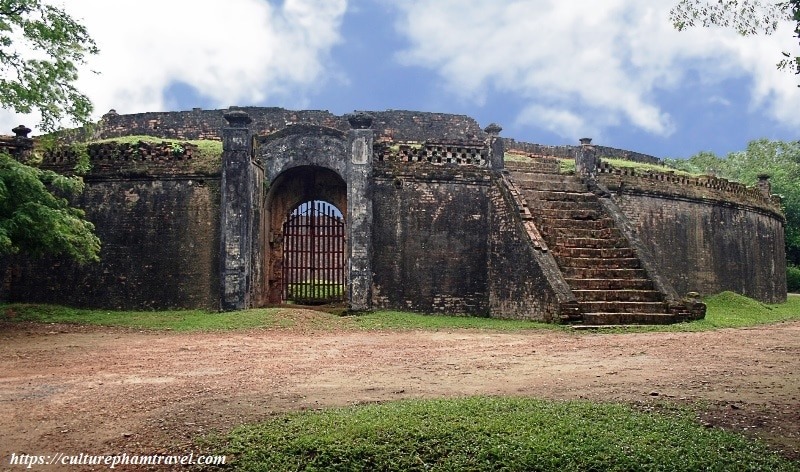
Hue Tiger Arena, known locally as Hổ Quyền, is one of the most unusual and fascinating historical sites in Hue and one of the 2 of its kind in the world. Built during the Nguyen Dynasty in 1830 under Emperor Minh Mang, this open-air arena was designed for dramatic ritual performances where trained royal elephants fought wild tigers as both entertainment and symbolic imperial display.
Hổ Quyền Location
The Tiger Arena Hue lies on Huong Tho Hill, Thuy Bieu Ward, Hue City. This is the place where the Nguyen Dynasty military trained the elephants to fight by fighting with tigers.
Location: 373 Bui Thi Xuan Street, Thuy Bieu Ward, Hue City, Vietnam, about 4–5 km southwest of the Imperial City and Perfume River.
🕖 Opening Hours: Typically daily from about 7:00 AM to 5:30 PM (hours may vary slightly by season or local events).
If you are the first time travelers in Hue, Vietnam, there are some recommendation for you in Hue imperial city, and to explore Hue, you should read Best Things To Do In Hue in 2026
Tiger Arena Hue Architecture
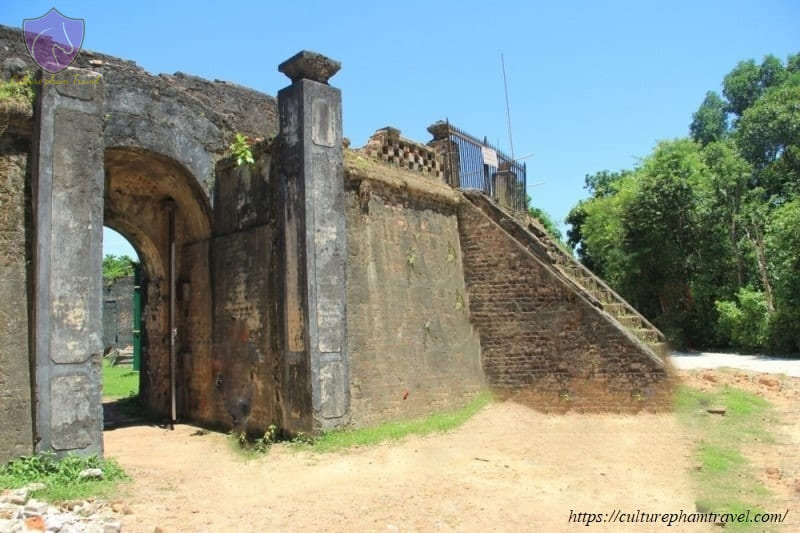
As you know, the Hue Tiger Arena is one of 2 arenas in the World that still exist. Compared with the Colosseum arena in Italy, the Hue tiger arena is much smaller, but it hasa unique architecture not only in Vietnam but also in the World. It is an open-air arena shaped like a donut. The internal ring is 5.80m high; the external ring is 4.75m. The outer wall is inclined to create a stand; the perimeter of the outer wall is 140m, and the diameter of the basin is 44m. The emperor’s bleachers sat facing southeast of the arena, higher than the surrounding positions.
To the left of the stands is the ascending hierarchy of 24 steps for emperors and deities. On the right side of the stage is another similar hierarchy for officials, soldiers, and high-level people. The inside surface is higher than the outside surface, with an average thickness of 4.50m. Opposite the auditorium are five tiger cages, and the arena is circular grass.
The main door is made of huge wooden boards with a base made of bluestone. There are two ways leading to the stands with stone steps, one for the emperor and one for officials, as well as soldiers.
What happened in the Hue Tiger arena
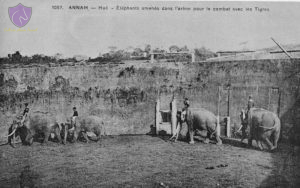
The Nguyen Dynasty was the only dynasty in Vietnamese history to use elephants like tanks to fight the enemy, so the arena was the place where they trained the elephants to be sharp weapons.
Before the fighting ceremony, the locals set up the altar to worship the way the emperor came to the arena. At noon, the emperor took the dragon boat going along the Perfume River. After that, he got on a palanquin to get there by the guarding of royal soldiers, the royal court-music team, and officials.
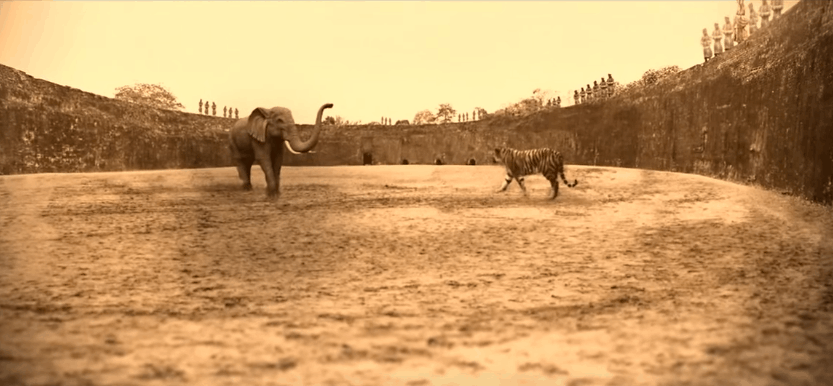
Under the Nguyen Dynasty, the usual battle between elephants and tigers was held once a year. Before each “fight to the death” battle, the tiger was cut off with fangs and claws, so elephants always kill and rub the tiger. The last fight was in 1904 under the reign of the Thanh Thai emperor, and it was just for entertainment purposes.
How to get to the arena?
To visit this special arena, you can take a dragon boat along the Perfume River, take a taxi, ride a bike, or motorbike with helmets, or you can also book the Hue Street Food Tour, Hue City Tour 1 Day, Hue City Group Tour, or Hue City Tour by private car via Culture Pham Travel. The entrance fee for this site is VND 50,000, and the open time is from 7 am to 5 pm every day.
Nearby Attractions of Hue Tiger Arena
Visiting Hue Tiger Arena (Hổ Quyền) is even more rewarding when combined with nearby historical and cultural sites. Located in a quiet area southwest of the city center, this zone reflects the imperial, spiritual, and village life of old Hue.
Long Chau Temple
Just a short walk from Hue Tiger Arena, Long Chau Temple was built to honor the royal elephants that once participated in imperial ceremonies and battles. The temple’s simple yet solemn architecture reflects deep respect for animals that symbolized royal power and loyalty. Visiting Long Chau Temple helps visitors better understand the historical context behind the tiger–elephant combats held at the arena.
Thuy Bieu Village
Thuy Bieu Village is a peaceful traditional village famous for its pomelo gardens and garden houses. After exploring the Tiger Arena, visitors can enjoy a relaxing walk or bike ride through shaded lanes, meet friendly locals, and experience authentic Hue countryside life. This village offers a perfect contrast to the dramatic history of Hổ Quyền with its calm, slow-paced atmosphere.
Perfume River
The Perfume River flows gently nearby and adds scenic beauty to the area. Many travelers combine their visit with a riverside stroll or a short boat ride to enjoy views of lush gardens, pagodas, and traditional houses. Sunset along the Perfume River is especially peaceful and ideal for photography.
Tu Duc Tomb
Located not far from Hue Tiger Arena, Tu Duc Tomb is one of the most poetic royal tombs of the Nguyen Dynasty. Surrounded by pine forests and lakes, it reflects the emperor’s love for nature, poetry, and quiet reflection. This site pairs well with the Tiger Arena, offering two very different perspectives on imperial life.
Useful Travel Tips
✔ The site is best visited in the morning or late afternoon to avoid heat, as the arena is mostly open-air.
✔ Wear comfortable walking shoes, as the ground can be uneven and there is limited shade inside the arena.
✔ There are a few shops nearby, so bring water and basic essentials with you.
✔ Combine Hue Tiger Arena with Long Chau Temple and Thuy Bieu Village to make the trip more worthwhile.
✔ Hiring a private car, bicycle, or motorbike is the most convenient way to reach the site from the city center.
This attraction is ideal for travelers interested in unique history and lesser-known imperial relics, so allow time to read information and explore slowly.
Together, these nearby attractions and practical tips help turn a visit to Hue Tiger Arena into a meaningful cultural journey beyond the usual tourist routes of Hue.
Culture Pham Travel
Pingback: The Best Things To Do In Hue in 2020 - Culture Pham Travel
Pingback: THINGS TO DO IN HUE VIETNAM 2022 - Culture Pham Travel