
Perfume River Hue Introduction
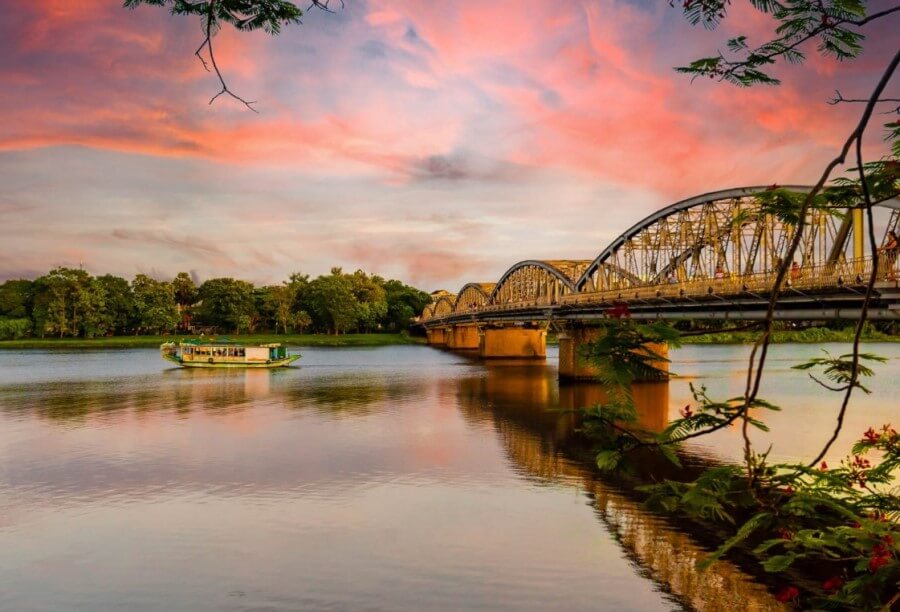
The Perfume River is the lifeblood of Hue, winding gracefully through the city and its historic sites. Its jade-green waters reflect the scenic beauty of the surrounding mountains, temples, and royal tombs, creating a picturesque and poetic landscape. The river played a central role in the feng shui planning of the Hue Imperial City, with Ngu Binh Mountain as a protective screen and two small islets symbolizing the White Tiger and Green Dragon.
It has inspired generations of poets, musicians, and artists, becoming a cultural and spiritual symbol of the city. Visitors can enjoy dragon boat cruises, sunset views, and even paddleboarding to experience the river from unique perspectives. Beyond its natural and cultural charm, the Perfume River remains a serene and romantic centerpiece of Hue, connecting the city’s past and present.
Why Is It Called the Perfume River?
The poetic name of the Perfume River has long sparked curiosity among visitors. Over time, two popular explanations have been passed down through local stories and cultural memory, both reflecting the deep connection between nature, tradition, and the spiritual life of Hue.
The Story of the Thach Xuong Bo Flower
One well-known explanation originates from nature itself. In the past, during autumn, clusters of Thach Xuong Bo flowers were said to bloom abundantly in the forests at the river’s headwaters. When seasonal rains arrived, petals would fall into mountain streams and gradually drift downstream into the main river.
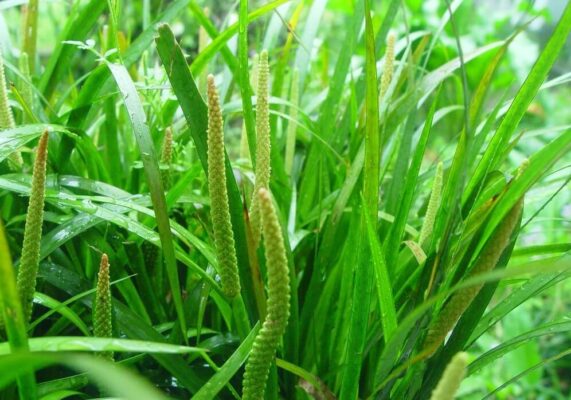
As the flowers floated along the water, they released a light and refreshing fragrance. By the time the river flowed through Hue, the air above it was believed to carry a subtle, sweet scent — gentle and refined like natural perfume. Inspired by this phenomenon, local people began calling it “Huong River” (Sông Hương), meaning the Perfume River. This legend beautifully illustrates Hue’s poetic character and its harmony with nature.

The Story of Thuy Xuan Incense Village
Another meaningful explanation is connected to Thuy Xuan Incense Village, a traditional craft village located along the riverbank. For centuries, artisans here have produced incense using natural ingredients such as sandalwood, cinnamon, lemongrass, jasmine, and various herbs.
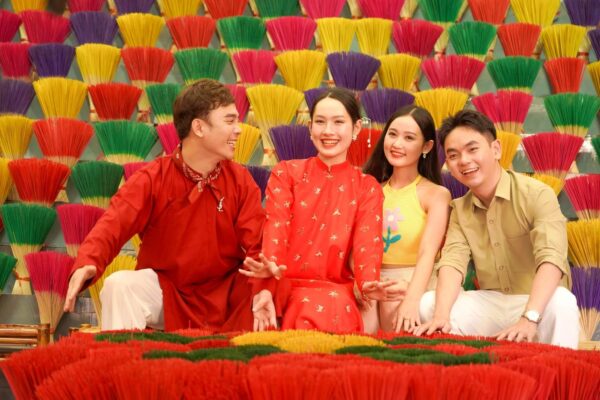
In the past, bundles of incense were transported by boat along the river to the Imperial Citadel and surrounding temples and pagodas. As these boats glided gently across the water, the delicate fragrance of incense would spread into the air. Over time, the river became closely associated with this lingering aroma, reinforcing the name “Perfume River” in the cultural consciousness of the local people.
Whether inspired by forest flowers or the scent of handcrafted incense, the name Perfume River reflects the elegance, tradition, and quiet romance that define Hue.
Geographical Features
The Perfume River in Hue is nearly 80 km long. It’s considered ideal to admire the river from its sources; besides, you can also admire it when it passes through thick forests and the tropical flora as well. There are two sources of the river, both of which flow from the Truong Son mountain range through the heart of Hue and meet at Bang Lang Fork.
Huong River flows quite slowly through villages, namely Kim Long, Nguyet Bieu, Vy Da, Dong Ba, Gia Hoi, Nam Pho, Bao Vinh, and Dinh market.
Numerous structures on both sides of the bank of Perfume River Hue, including the Hue Citadel, pagodas, gardens, temples, and Truong Tien Bridge, reflecting on the water, have made the river more poetic and even musical.
Historical and Cultural Significance
The Perfume River has always been more than just a waterway. Historically, it served as a vital transport route, facilitating trade, communication, and cultural exchange within Central Vietnam.

The river also played an essential role in the feng shui planning of Hue: the majestic Ngu Binh Mountain stands as a protective screen to the north, while two small islets in the river symbolize the White Tiger on the right and the Green Dragon on the left, guarding the Imperial City. This combination of mountains, water, and sacred symbols made Hue a harmonious and prosperous capital under the Nguyen Dynasty.
Over the centuries, the Perfume River has appeared in countless poems and songs, celebrating its tranquil beauty and serene flow. Writers and scholars have often described it as the spiritual artery of Hue, connecting the city’s natural landscapes with its rich imperial heritage.
Unmissable Experiences on the Perfume River in Hue
No words can fully capture the poetic and gentle beauty of the Perfume River. The river’s water is strikingly clear, with a unique jade-green color that creates a calm and refreshing atmosphere. The romantic image of Hue city reflected on the smooth surface of the river seems to multiply its beauty, making the scenery even more enchanting and unforgettable.
Boat Trips On The Perfume River
When visiting the Perfume River, taking a traditional dragon boat cruise is truly an experience not to be missed. From the water, visitors can fully appreciate the rare and graceful charm of the river as it gently winds through the heart of Hue. The Perfume River is so romantic and soulful that it has long become a source of inspiration for poets, who have used it to express their deepest emotions and create timeless literary and artistic masterpieces that are still cherished today.

Sitting on the boat, closing your eyes, and letting your thoughts drift with the clouds while breathing in the fresh air is a wonderful feeling. As you listen to the cheerful songs of birds echoing along the riverbanks, you may feel as though you have been transported to a peaceful countryside, far away from the rush of modern life.
Listen to Ca Huế on the Perfume River at Night
Listening to Hue folk songs (Ca Huế) on the Perfume River at night is considered a cultural specialty of Hue. Anyone who sets foot in the former imperial capital should spend at least one evening experiencing this unique traditional art form and immersing themselves in its deep, nostalgic melodies, something you simply cannot find anywhere else.
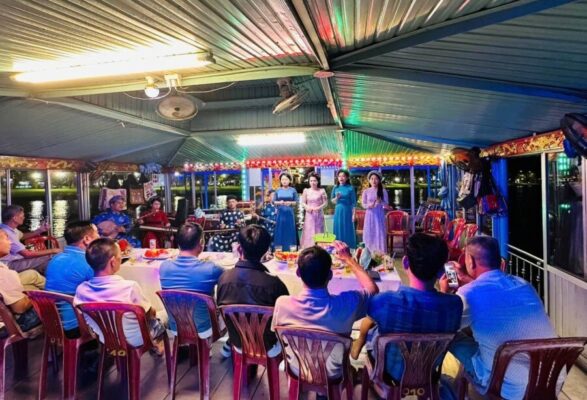
As dragon boats gently drift along the calm river under shimmering lights, skilled musicians perform classical tunes using traditional instruments, creating an atmosphere that is both elegant and intimate. The soft music blending with the quiet flow of the river and the cool night breeze makes the experience even more memorable. It is not just a performance, but a cultural journey that reflects the refined lifestyle and artistic soul of Hue.
Admire the sunset on the Perfume River
The Perfume River reveals a different charm at every moment of the day, but it is most breathtaking at sunset. As the sun slowly descends, it drapes the river in a magical orange glow that captivates every visitor. The shimmering water reflects the fading light, creating a dreamlike scene that feels both romantic and serene.
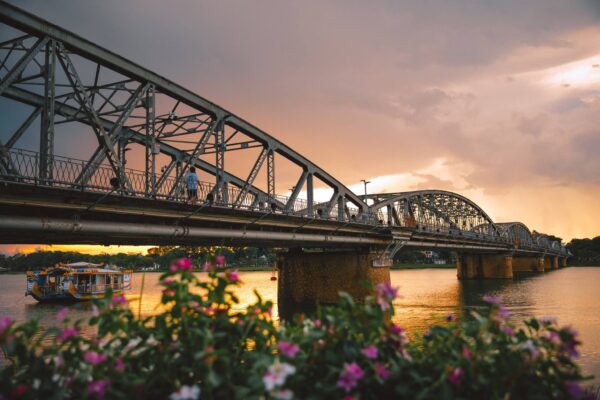
It is at this quiet hour that you can most clearly sense the gentle melancholy often associated with Hue. When the sun disappears behind the distant mountains, the surroundings gradually fall into an almost sacred stillness. The landscape seems to pause, blending softly into the delicate purple hues that are so characteristic of the former imperial city. In that tranquil moment, the Perfume River becomes not just a scenic spot but a living painting that captures the poetic soul of Hue.
Paddleboarding (SUP) on the Perfume River
Paddleboarding on the Perfume River has recently become one of the most popular activities among visitors to Hue. Gliding gently across the calm water on a SUP board offers a completely different perspective of this dreamy city. Unlike traditional boat tours, SUP allows you to move at your own pace, creating a more personal and immersive connection with the river’s tranquil beauty.

If you paddle in the early morning, you can witness the peaceful moment when the city slowly awakens. The soft sunrise light reflects on the jade-green water, while daily life begins along the riverbanks, creating a lively yet refreshing atmosphere. In contrast, paddleboarding in the evening reveals a gentle and colorful night scene. The glowing city lights shimmer on the surface of the river, offering a calm and romantic experience that feels entirely different from the vibrant energy of the daytime.
Admire Truong Tien Bridge Shimmering with Colors
As night falls, Truong Tien Bridge lights up, radiating brilliant and colorful reflections across the calm waters of the Perfume River. The vibrant illumination transforms the once tranquil and contemplative atmosphere into a lively and enchanting scene.
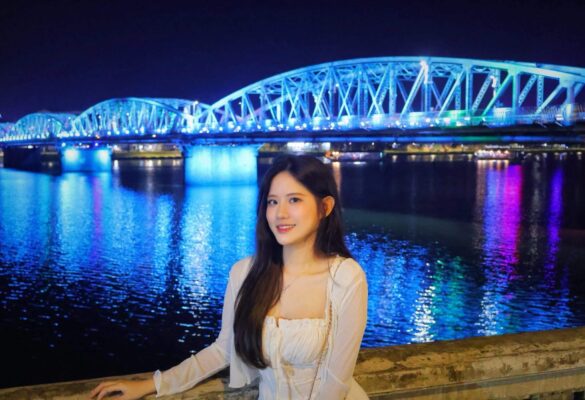
From the river, especially while cruising on a dragon boat or paddleboarding, you can fully appreciate this dazzling view. The bridge’s glowing arches, mirrored on the dark surface of the water, create a magical contrast, adding a modern sparkle to Hue’s timeless beauty. It is one of the most captivating nighttime moments in the city, blending romance, history, and contemporary charm into a single unforgettable image.
Nearby Attractions on the Perfume River Banks
Thien Mu Pagoda
It takes nearly 30 minutes to get to Thien Mu Pagoda. It is one of the most appealing and well-preserved religious destinations throughout Vietnam. Following the guide, you’ll sightsee and listen to the pagoda’s history, along with its legends.

Thien Mu Pagoda is one of the most iconic spiritual landmarks in Hue, gracefully overlooking the Perfume River from Ha Khe Hill. Founded in 1601 during the reign of Lord Nguyen Hoang, it is the oldest pagoda in the city and is closely associated with the early development of the Nguyen Lords in Central Vietnam.
The seven-story Phuoc Duyen Tower, built in 1844, has become a symbolic image of Hue and represents the spiritual aspirations of the region. With its peaceful setting, ancient architecture, and panoramic river views, Thien Mu Pagoda offers visitors both cultural insight and a tranquil atmosphere.
Hon Chen Temple
Hon Chen Temple is a sacred riverside temple complex located on Ngoc Tran Mountain along the Perfume River. It is dedicated to the Holy Mother Thien Y A Na, a goddess worshipped in Vietnamese folk religion and closely associated with Cham culture.
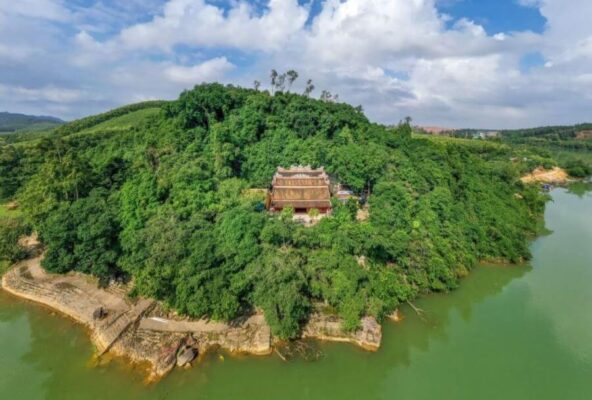
The temple is well known for its vibrant Hon Chen Festival, which features colorful boat processions, traditional rituals, and cultural performances. Surrounded by mountains and water, Hon Chen Temple offers both spiritual significance and beautiful natural scenery, making it a unique cultural highlight in Hue.
Minh Mang Tomb
You can also take a boat trip to the royal tomb of Minh Mang, nearly 12 km from the center of the city, a well-known tomb lying on the riverbank. The Minh Mang Royal Tomb is one of the most impressive imperial tombs in Hue, built for Emperor Minh Mang of the Nguyen Dynasty. Completed in 1840, the complex reflects a harmonious blend of traditional Vietnamese architecture and natural landscapes, with pavilions, temples, and serene lakes thoughtfully arranged along the hillsides.
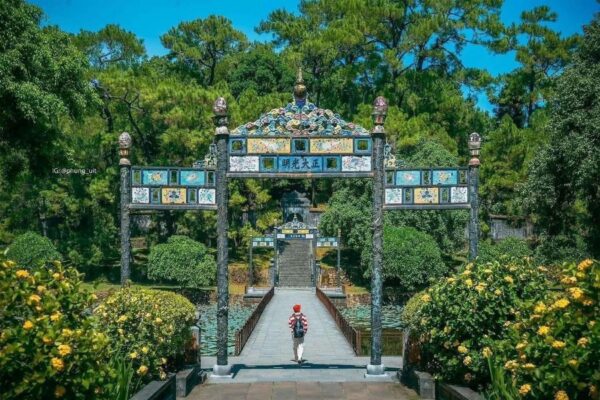
Surrounded by lush greenery, peaceful ponds, and carefully landscaped gardens, it offers visitors a tranquil and reflective atmosphere. The tomb is not only a historical monument but also a showcase of the emperor’s refined aesthetic sense and the cultural sophistication of 19th-century Hue.
To be filled with excitement during your trip to Perfume River Hue Vietnam, you can book Hue City Private Tour or Hue Group City Tour via Culture Pham Travel.
Pingback: Thanh Toan Bridge- The Oldest Bridge In Hue, Vietnam - Hoi An Private Taxi
Pingback: Hue Beef Noodle Soup-Bun Bo Hue Vietnam - Hoi An Private Taxi
Pingback: THINGS TO DO IN HUE VIETNAM 2022 - Culture Pham Travel
Pingback: Ngu Binh Mountain- The Screen of Hue Citadel - Culture Pham Travel
Pingback: The Sad Love Story of Thien Mu Pagoda - Culture Pham Travel
Pingback: Thanh Tien Paper Flower Village- Hue Craft Villages - Culture Pham Travel
Pingback: Truong Tien Bridge - The Icon Of Hue Imperial City - Culture Pham Travel
Pingback: Thuy Xuan Incense Village- Hue Craft Villages - Culture Pham Travel
Pingback: Thai Hoa Palace - Nguyen Dynasty Magnificent Architecture - Culture Pham Travel
Pingback: An Hien Garden House Hue - Culture Pham Travel
Pingback: TOP HUE ROYAL TOMBS YOU MUST VISIT - Culture Pham Travel
Pingback: Hue Nightlife And Things To Do In Hue At Night - Culture Pham Travel