

Bao Quoc Pagoda Introduction
Bao Quoc Pagoda is one of the oldest and most peaceful Buddhist temples in Hue City. Hidden on a quiet hill not far from the city center, this ancient pagoda offers visitors a calm atmosphere, beautiful traditional architecture, and an important part of Hue’s spiritual history.
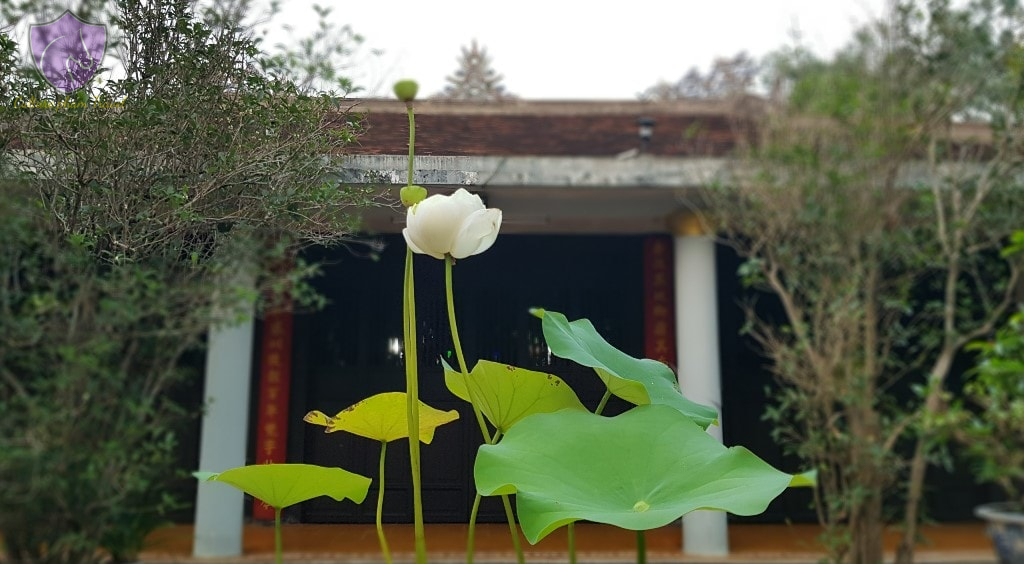
Unlike some crowded tourist attractions, Bao Quoc Pagoda is a wonderful place to relax, enjoy the peaceful surroundings, and learn more about Vietnamese Buddhism. With its ancient trees, quiet gardens, and historical buildings, the pagoda gives travelers a deeper understanding of the cultural beauty of Hue.
Bao Quoc Pagoda Location & How to get there?
Bao Quoc Pagoda is located on Hàm Long Hill, about 2 to 3 kilometers southwest of the center of Hue City. Thanks to its convenient location, the pagoda is quite easy to reach from many popular attractions in Hue, including the Imperial City and Truong Tien Bridge. The journey to the pagoda is peaceful and pleasant, passing through quiet local streets lined with trees, traditional houses, and small cafés.
By Hue Private Car
Traveling by a Hue private car is one of the most comfortable and convenient ways to visit Bao Quoc Pagoda, especially for families, couples, or travelers exploring several attractions in Hue in one day. A private car allows visitors to travel comfortably in Hue’s hot or rainy weather while enjoying a flexible schedule.
From the Hue city center, the drive usually takes around 10 to 15 minutes, depending on traffic conditions. Many visitors combine Bao Quoc Pagoda with nearby attractions such as Tu Dam Pagoda, Tu Hieu Pagoda, or the Imperial City of Hue during the same trip.
By Motorbikes
Renting a motorbike is a popular option for independent travelers who want more freedom while exploring Hue. The roads leading to Bao Quoc Pagoda are relatively easy to navigate and suitable even for beginner riders with basic experience.
Riding a motorbike also allows visitors to stop along the way to enjoy local scenery, street food stalls, coffee shops, or smaller hidden temples around the city. Parking is usually available near the pagoda entrance.
By Bicycle
For travelers who enjoy slow travel and outdoor experiences, cycling to Bao Quoc Pagoda can be a relaxing activity. Because the pagoda is not far from the city center, many visitors choose to explore the area by bicycle, especially in the early morning or late afternoon when the weather is cooler.
The gentle ride through peaceful local neighborhoods gives visitors a chance to experience daily life in Hue while enjoying the city’s calm atmosphere
By Taxi or Ride-Hailing Apps
Taxis and ride-hailing services are widely available in Hue and provide another easy way to reach Bao Quoc Pagoda. This option is convenient for travelers who do not want to drive themselves or prefer quick transportation between attractions.
Most drivers in Hue are familiar with Bao Quoc Pagoda because it is one of the city’s well-known Buddhist temples.
Walking from Nearby Attractions
If you are staying near the southern part of Hue City, it may also be possible to walk to the pagoda. The area around Bao Quoc Pagoda is relatively peaceful compared to the busy city center, making walking an enjoyable way to explore the neighborhood.
To admire and learn more about Hue Buddhist Temples, especially Bao Quoc Pagoda, you can book the Hue Buddhist Tour with Culture Pham Travel. Book the Hue Famous Pagoda Tour, and you will have a chance to explore the hidden beauty of the most sacred and fabulous pagodas and enjoy the best vegetarian meal.
Bao Quoc Pagoda History
The pagoda was founded in the 17th century by Venerable Giác Phong, a monk from Guangdong, China, during the reign of King Lê Dụ Tông, and was originally named Ham Long Pagoda (Hàm Long Tự).
In 1747, Lord Nguyễn Phúc Khoát granted the pagoda a royal plaque bearing the title “Sắc Tứ Báo Quốc Tự” (Royally Ordained Bao Quoc Pagoda), inscribed with the words: “國王慈濟道人御題”.

In 1808, Empress Hiếu Khương, the wife of Emperor Gia Long, ordered the restoration and reconstruction of the pagoda. During this renovation, the three-entrance gate was built, and a large bronze bell weighing 826 cân was cast, measuring 1.4 meters in height and 1.2 meters in diameter. The pagoda was then renamed Hàm Long Thien Tho Pagoda (Hàm Long Thiên Thọ Tự).
Later, because Emperor Gia Long’s royal tomb was named Thiên Thọ Mausoleum, Emperor Minh Mang restored the pagoda’s original name to avoid duplication. In 1824, Emperor Minh Mạng sponsored another major restoration, and in 1858, Emperor Tu Duc also contributed to the renovation and beautification of the pagoda.
In 1930, during the Buddhist Revival Movement in Vietnam, the pagoda made significant contributions to the training and development of Buddhist monks and scholars, helping strengthen and preserve Vietnamese Buddhism.
With its long history dating back centuries, Bao Quoc Pagoda is still widely known today as a peaceful and tranquil spiritual sanctuary. Besides being a place of worship, Bao Quoc Pagoda has also become an important Buddhist training and educational center in Hue.
Bao Quoc Pagoda Architecture
Bao Quoc Pagoda covers an area of approximately 2 hectares, creating a spacious and peaceful environment surrounded by greenery. The pagoda complex is beautifully arranged on elevated ground, giving visitors a calm and relaxing feeling as soon as they arrive.
From the outside, visitors are immediately impressed by the pagoda’s traditional Entrance Gate (Tam Quan Gate). To reach the entrance, visitors must climb several dozen stone steps leading up the hill. The ancient gate, covered with traces of moss and weathered by time, reflects the long history and spiritual atmosphere of the pagoda. Its large scale and traditional Vietnamese Buddhist architectural style create a majestic first impression for anyone visiting the temple.

Right behind the Three Entrance Gate is a large open courtyard shaded by rows of green trees. The peaceful courtyard provides a cool and quiet space where visitors can slowly walk, relax, and enjoy the tranquil surroundings. The sound of birds, the gentle breeze, and the shade of ancient trees make the atmosphere especially calm and refreshing.
At the end of the courtyard stands the main sanctuary hall, which serves as the spiritual heart of Bao Quoc Pagoda. The simple yet elegant architecture of the main hall reflects the traditional beauty of ancient Hue pagodas and creates a sacred atmosphere for worship, prayer, and meditation.
The Main Sanctuary Hall of Bao Quoc Pagoda was built in the traditional style of “three compartments and two side wings,” a common architectural design found in many ancient Vietnamese temples and pagodas. The structure reflects the elegant beauty of traditional Hue architecture, combining simplicity with refined artistic details.
The sanctuary is beautifully decorated with elaborate ornamental designs. The pillars and walls are adorned with delicate patterns made from broken ceramic pieces and porcelain fragments, a traditional decorative art style often seen in royal and religious architecture of the Nguyen Dynasty. Visitors can also admire detailed dragon motifs and other symbolic patterns that represent power, spirituality, and prosperity in Vietnamese culture.
Inside the Main Hall is a solemn worship space where Buddha statues and sacred altars are respectfully arranged. The peaceful atmosphere, the scent of incense, and the soft natural light entering the hall create a deeply spiritual feeling for worshippers and visitors alike. This sacred area remains the religious center of the pagoda, where monks and local Buddhists regularly gather for prayers and ceremonies.

At the foot of the hill where the pagoda is located, there is also a famous ancient well known as Hàm Long Well. According to local stories, the spring water flowing from the well resembles the shape of a dragon’s mouth, which is why it was given the name “Hàm Long,” meaning “Dragon’s Jaw.”
The water is known for being exceptionally clear, fresh, and naturally sweet. Because of its high quality, local people in the past often offered this water to the Nguyen Lords and the royal court. Even today, Ham Long Well remains an interesting historical and cultural feature associated with Bao Quoc Pagoda.

Within the grounds of Bao Quoc Pagoda, visitors can also see a statue of Bodhisattva Avalokitesvara (Quan Thế Âm Bồ Tát), one of the most respected figures in Buddhism who symbolizes compassion and mercy. The statue stands peacefully among the quiet surroundings, creating a spiritual atmosphere that inspires calmness and reflection for both worshippers and travelers.
Behind the pagoda is the ancestral tower area, known as the Tổ Tower Garden. This area contains the stupa of Venerable Giác Phong, the founding monk who established Bao Quoc Pagoda in the 17th century. The tower area is considered an important spiritual and historical part of the pagoda, honoring the monk who played a major role in the development of Buddhism in Hue. The quiet setting behind the temple adds to the sacred atmosphere of this historical site.
Surrounding the entire pagoda complex are many ancient green trees with large shady canopies. These old trees provide cool, fresh air and create a peaceful, natural environment throughout the year. The gentle sound of leaves, birds, and wind makes Bao Quoc Pagoda feel separated from the busy modern city, offering visitors a tranquil place for relaxation, meditation, and spiritual reflection.
What to Do at Bao Quoc Pagoda
Enjoy the Peaceful Atmosphere
One of the best experiences at Bao Quoc Pagoda is simply walking slowly around the temple grounds and enjoying the quiet environment.
Learn About Vietnamese Buddhism
Visitors can observe Buddhist traditions, architecture, and local spiritual culture while respectfully exploring the pagoda.
Take Beautiful Photos
The ancient buildings, peaceful gardens, and traditional temple details provide many wonderful photo opportunities.
Practice Quiet Reflection
Many travelers enjoy sitting quietly under the trees or inside the courtyard to relax and reflect away from crowded tourist areas.
Bao Quoc Pagoda Travel Tips
Best Time to Visit Bao Quoc Pagoda
The best time to visit Bao Quoc Pagoda is in the early morning or late afternoon when the weather is cooler and the atmosphere is especially peaceful.
The dry season in Hue, usually from March to August, offers better conditions for walking and sightseeing. However, the pagoda can be visited throughout the year.
During important Buddhist festivals, the temple becomes more lively with ceremonies and local worshippers.
Bao Quoc Temple Entrance Fee
Bao Quoc Pagoda is generally free to visit. Donations are welcome to help maintain the temple and support Buddhist activities.
Bao Quoc Pagoda Opening Hours
The pagoda is usually open daily from morning until evening. Morning visits are recommended for a quieter and cooler experience.
Dress code and pagoda regulations
✓ Dress modestly when visiting the pagoda.
✓ Speak quietly to respect worshippers and monks.
✓ Remove hats when entering worship areas.
✓ Avoid disturbing religious ceremonies.
✓ Ask politely before taking photos of monks or local people.
Nearby Attractions
After visiting Bao Quoc Pagoda, travelers can continue exploring several important spiritual and historical attractions nearby. Each site offers a unique experience and helps visitors better understand the rich culture, history, and religious heritage of Hue.
Tu Dam Pagoda
Tu Dam Pagoda is one of the most important Buddhist temples in Hue and played a major role in the Buddhist Revival Movement in Vietnam during the 20th century. The pagoda is well known for its peaceful gardens, large assembly hall, and historical significance in Vietnamese Buddhism. Visitors can admire traditional architecture, ancient trees, and the calm spiritual atmosphere while learning about the development of Buddhism in Central Vietnam.
Tu Hieu Pagoda
Hidden in a quiet pine forest, Tu Hieu Pagoda is famous for its peaceful natural surroundings and deep spiritual atmosphere. The pagoda was founded in the 19th century and is closely connected with Zen Buddhism in Vietnam. It is also known as the resting place of several eunuchs from the Nguyen Dynasty. Many visitors come here to enjoy meditation, listen to birdsong, and experience one of the most tranquil religious sites in Hue.
Thien Mu Pagoda
Located beside the Perfume River, Thien Mu Pagoda is considered the most iconic pagoda in Hue. The temple is especially famous for its seven-story Phuoc Duyen Tower, which has become a symbol of the city. Founded in 1601, the pagoda features beautiful gardens, ancient religious structures, and impressive river views. Visitors can also learn about important historical events connected to Vietnamese Buddhism while exploring the temple grounds.
Imperial City of Hue
The Imperial City of Hue is one of Vietnam’s most important historical and cultural landmarks. Once the political and royal center of the Nguyen Dynasty, the massive citadel contains palaces, temples, gates, royal courtyards, and ancient ruins surrounded by large stone walls and moats. Walking through the Imperial City allows visitors to discover the history of Vietnam’s last royal dynasty and admire the elegant architecture of the former imperial capital.
Pingback: Tu Dam Pagoda in Hue Imperial City - Culture Pham Travel